Skip to content



Gym Membership Or Home Gym: Which Suits Your Lifestyle
GYMSPORTZ PTE LTD | 9 March 2026

Choosing how and where to work out is no longer just about fitness. It is about time, space, motivation, budget, and how exercise fits into your daily routine. Some people thrive in the buzz of a commercial gym. Others prefer the privacy and convenience of training at home.
If you have been weighing up a gym membership against setting up your own workout space, you are not alone. The right answer depends less on trends and more on how you actually live.
Let’s break it down in a practical way so you can decide what truly suits your lifestyle.
The Appeal of a Gym Membership
A gym membership offers something many people struggle to create on their own: structure.
Walking into a gym shifts your mindset. You are there for one purpose. No laundry to fold. No emails to answer. No distractions from family members wandering into the room.
1. Access to a Wide Range of Equipment
Commercial gyms typically provide everything from free weights and squat racks to cable machines, rowing machines and cardio equipment. You can switch up your routine easily without investing in multiple machines.
For those who enjoy variety, this is a huge advantage.
2. Classes and Professional Support
Many memberships include group classes such as spin, HIIT, yoga or strength circuits. These sessions provide motivation and guidance, especially if you are unsure how to structure your training.
Personal trainers are also available if you need accountability or specific programming.
3. Social Motivation
Some people simply train better around others. The shared energy in a gym can push you to complete that last set or run that extra kilometre. Seeing others work hard can be inspiring.
However, a gym membership also comes with downsides.
Peak hour crowds, waiting for machines, travel time, and recurring monthly fees can make it harder to stay consistent. On busy days, commuting to the gym may feel like an extra obstacle.
That is where the home gym starts to look attractive.
The Rise of the Home Gym
Home gyms have become increasingly popular because they remove many of the barriers that stop people from exercising.
No travel. No queues. No monthly contract.
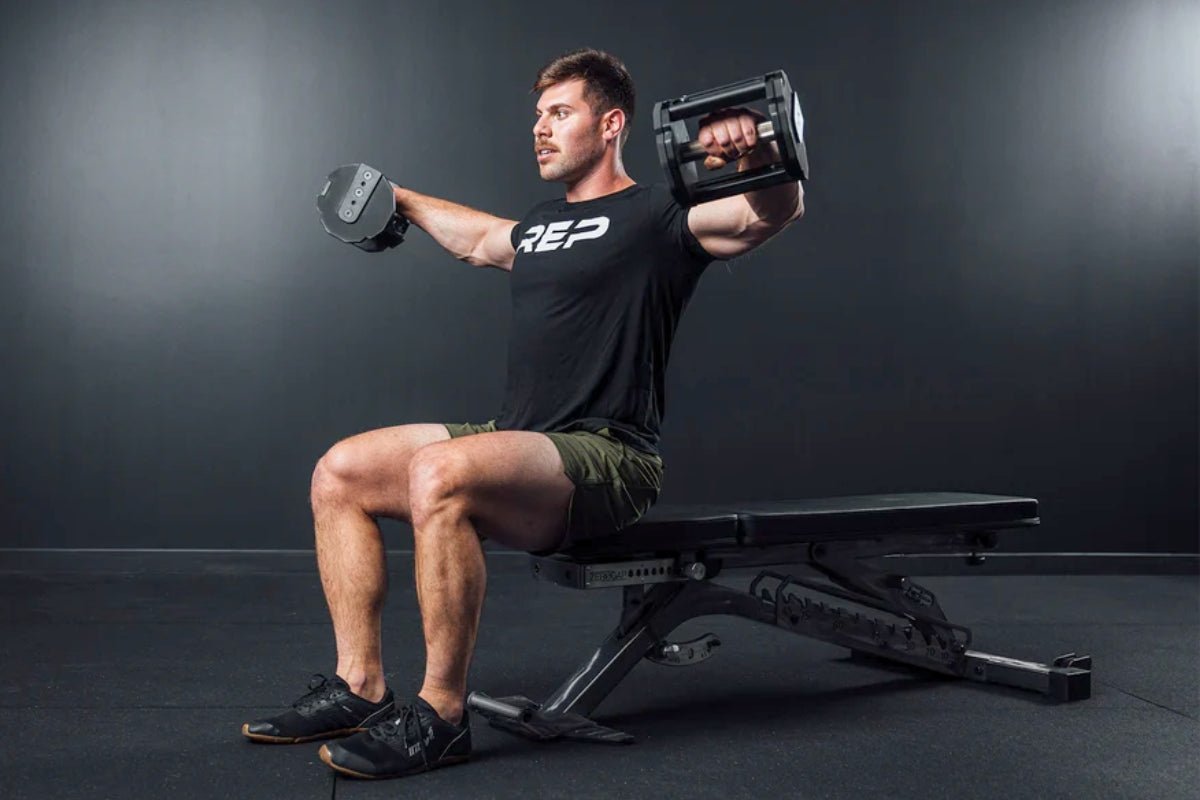
Even a simple setup can be effective. A pair of adjustable dumbbells, resistance bands, a mat, and a treadmill for home can cover a large percentage of most people’s fitness needs.
1. Convenience Is King
The biggest advantage of training at home is accessibility.
You can squeeze in a 20-minute session before work. You can exercise late at night. You can train while dinner is in the oven.
There is no packing a gym bag. No traffic. No waiting for equipment.
For busy professionals, parents, or anyone with unpredictable schedules, this flexibility often makes the difference between working out and skipping it entirely.
2. Long-Term Cost Savings
While the upfront cost of equipment can feel significant, it may balance out over time. A year or two of gym membership fees can easily match the price of a quality cardio machine and some strength equipment.
Once purchased, the equipment is yours. There are no recurring payments.
3. Privacy and Comfort
Not everyone enjoys exercising in front of strangers. At home, you can learn new movements without feeling self-conscious. You can play your own music, set your own pace, and take breaks when needed.
For beginners especially, this comfort can build confidence.
Cardio: Gym Machines vs Home Equipment
Cardio is often the deciding factor for many people.
Gyms offer treadmills, stair climbers, bikes and rowing machines. If you love switching between different machines, a membership may give you more variety.
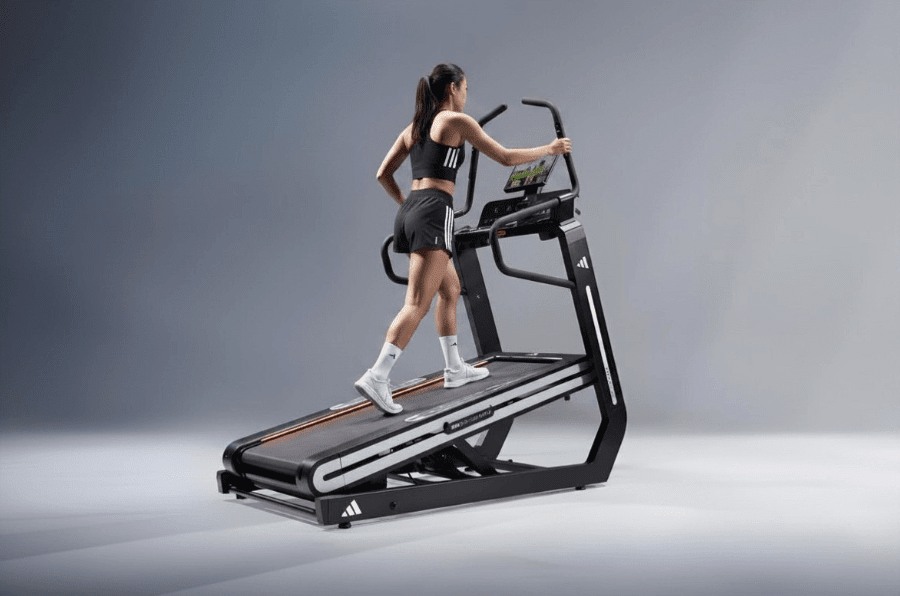
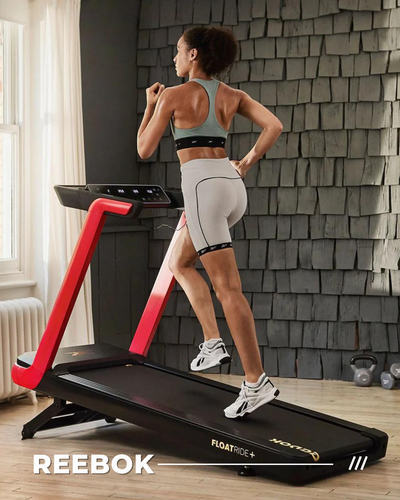
However, a treadmill for home is often more than enough for consistent cardiovascular training. Walking, jogging, incline training and interval sprints can all be done on a single machine.
The key is learning to use your treadmill to its full potential rather than just walking at the same speed every day.
A well-designed treadmill workout can improve endurance, burn calories, and strengthen your lower body just as effectively as gym sessions.
For people who enjoy steady routines rather than constant change, having reliable equipment at home can actually increase consistency.
Space Considerations
One of the biggest practical questions is space.
Do you have a spare room? A corner in the living room? Even a foldable treadmill and compact weights can work in smaller flats, but you need to be realistic about layout.
If your home feels cramped, or if storing equipment becomes frustrating, you may lose motivation. In this case, a gym membership provides a dedicated space without taking over your home environment.
On the other hand, if you have room to create a small but inviting workout area, that dedicated corner can become a powerful daily reminder to stay active.
Motivation: External vs Internal
Be honest with yourself here.
Do you rely on external structure to stay disciplined?
Some people need the act of “going somewhere” to switch into workout mode. Paying for a membership can also create financial motivation — you do not want the money to go to waste.
Others are self-driven. They prefer rolling out of bed, putting on trainers, and starting immediately.
A home gym demands more internal discipline. There is no instructor watching. No class timetable. You must choose to show up.
Understanding your personality matters more than copying what friends or influencers are doing.
Lifestyle Fit
Think about your daily rhythm.
If your job keeps you out of the house for long hours, a gym near your workplace may be more convenient than training at home late at night.
If you work remotely or have young children, home workouts might slot in more naturally between responsibilities.
Also consider travel frequency. If you travel often, a gym membership with multiple locations may offer flexibility. Alternatively, maintaining basic strength at home and using hotel gyms occasionally might be enough.
Hybrid Approach: The Best of Both Worlds?
You do not necessarily have to choose one exclusively.
Some people maintain a minimal home setup for quick weekday sessions and use a gym once or twice a week for heavier lifting or classes.
For example, you might handle cardio and basic strength training at home, then visit the gym for specialised equipment like barbells or cable machines.
This balanced approach can reduce costs while preserving variety.
Making the Right Choice
There is no universal answer.
Ask yourself:
● How much time do I realistically have?
● Do I enjoy training around others?
● Am I consistent without external pressure?
● Do I have space at home?
● What fits my budget long term?
If convenience and flexibility are your top priorities, building a home gym could transform your routine.
If structure, community, and equipment variety motivate you, a gym membership may keep you more engaged.
The best setup is the one you will actually use consistently. A perfect gym membership means nothing if you rarely go. A beautifully designed home gym does not help if it becomes a clothes rack.
Fitness is not about having the most equipment. It is about creating an environment that supports your habits.
Final Thoughts
Your lifestyle should shape your fitness plan, not the other way around. Whether you choose the energy of a gym or the simplicity of training at home, the goal is long-term consistency.
If you are leaning towards building your own setup, investing in quality equipment makes a real difference in safety, durability and performance. Explore reliable options and find tools that fit your space and training style.
Ready to create a home gym that truly works for you? Visit Gymsportz to discover equipment designed to support your fitness journey, from cardio essentials to strength training solutions.