Skip to content




How to Train for HYROX at Home: The Complete 2026 Guide
GYMSPORTZ PTE LTD | 17 April 2026

HYROX fever is well and truly alive. Over three electric days from Friday, 3 April to Sunday, 5 April, the iconic Singapore National Stadium was transformed into a massive arena of functional fitness, hosting over 14,000 participants and a crowd of spectators that made the Sports Hub feel like the most energetic place on earth. AIA HYROX Singapore 2026 officially claimed its title as the largest fitness race in the region's history, and for good reason. The atmosphere, the community, and the shared sense of accomplishment made it an event like no other.
Whether you are eyeing that next Singapore edition or planning to race in another city, now is the perfect time to start building your home training routine. You do not need a fancy gym membership to get race-ready. With the right approach, you can train effectively from home and show up on race day feeling genuinely prepared.
What Exactly Is HYROX?
Before diving into training, it helps to understand what you are actually training for. HYROX is a global fitness race that combines running with functional workout stations. The format is consistent worldwide: participants alternate between one-kilometre runs and eight workout stations, which include the SkiErg, sled push, sled pull, burpee broad jumps, rowing, farmers carry, sandbag lunges, and wall balls.
That means your training needs to cover two things: cardio endurance and functional strength. The good news is that you can build both at home with relatively minimal equipment.
Getting Your Running Base Right
Running makes up a significant chunk of HYROX. You will cover eight kilometres of running in total, broken up between each workout station. This means you need to be comfortable running at a consistent pace even when your legs are already fatigued from the exercises beforehand.
If you have a treadmill for home, you are already ahead of the game. A home treadmill lets you train consistently regardless of the weather outside, and it allows you to simulate race conditions by adjusting pace and incline. Practising running at a steady pace right after a set of burpees or squats will genuinely prepare your body for the transition between stations that you will face on race day. Aim for three to four running sessions per week, mixing easy aerobic runs with tempo efforts.
If you do not have a treadmill, outdoor running works just as well. The key is consistency and making sure you regularly practise running on tired legs.
Building Functional Strength at Home
This is where most home trainers feel uncertain, but it is simpler than you think. You do not need a full commercial gym setup in your living room to prepare for HYROX, especially for busy professionals. Bodyweight and targeted equipment training can go a very long way, and if you want to get closer to race-specific conditions, a handful of key pieces of kit will make a real difference.
Here are the key areas to focus on:
Lower body strength is critical for the sled push, sled pull, and sandbag lunges. Squats, reverse lunges, step-ups, and single-leg deadlifts are all excellent substitutes you can do at home with minimal kit. For those who want to go a step further, the Pivot PM255 Premier Power Sled has become one of our most popular HYROX training purchases over the past three months, among both home and office gym setups. Its heavy-duty steel frame and 363kg load capacity make it a genuine race-day replica for your driveway or carpark.
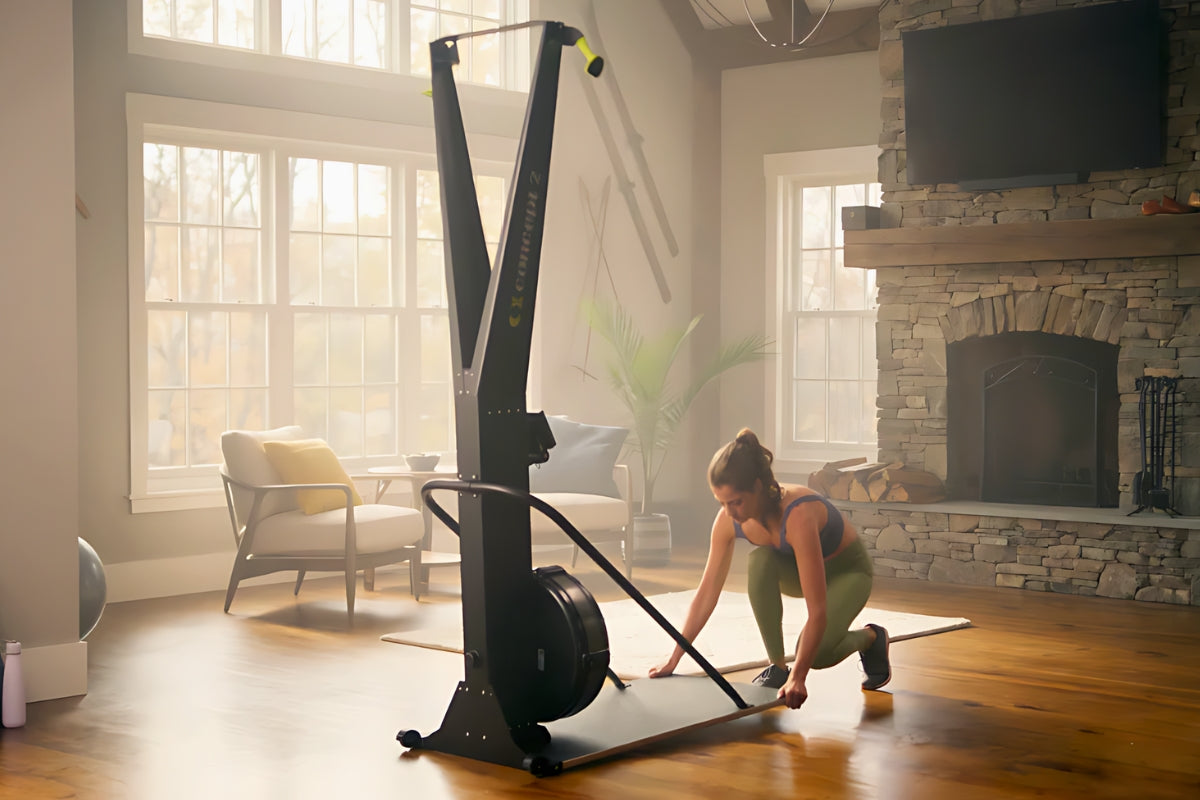
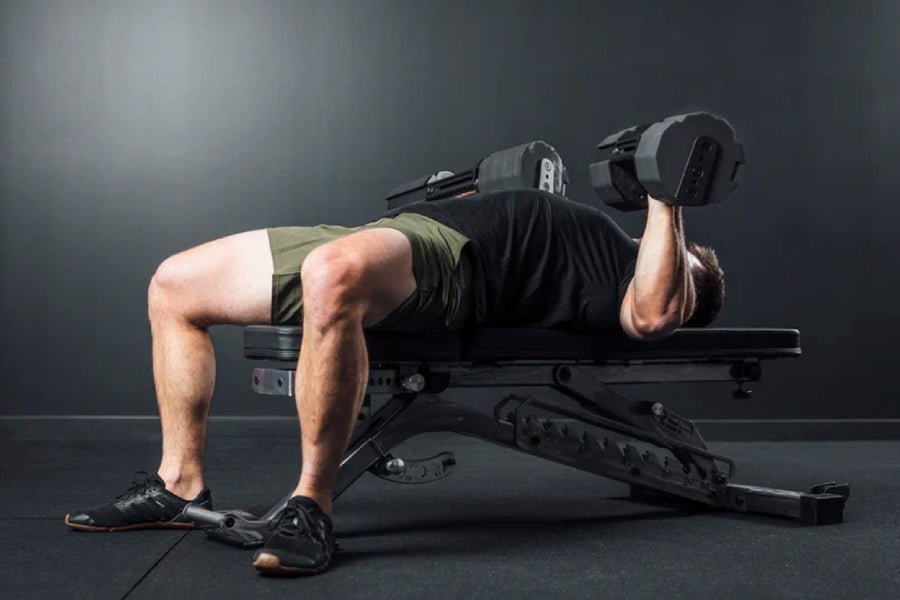
Upper body and pulling strength will carry you through the farmers carry and SkiErg stations. Resistance band rows, press-ups in various positions, and dumbbell exercises all transfer well. If you want to train the SkiErg station with real precision, the Concept2 SkiErg with PM5 is the exact machine used in HYROX races worldwide. It works your legs, core, and arms in one fluid pulling motion, comes with the same PM5 monitor as the RowErg, and includes a floor stand with caster wheels, so it is easy to move and store at home.
Rowing is one of the more technical HYROX stations and rewards consistent practice. If you are serious about nailing it, the Concept2 RowErg is the go-to for home training. It is the same machine used in competitions worldwide. It folds away for easy storage and has been among our fastest-growing sellers this quarter, with demand coming equally from home users and corporate gym spaces.
Core and posterior chain training will protect your lower back and improve your overall efficiency. Planks, glute bridges, Romanian deadlifts, and bird-dogs are your best friends here.
Wall balls are deceptively tough in a race and worth practising at home well before race day. The Pivot PM165 Wall Ball comes in weights from 4kg to 15kg and has seen a steady rise in demand over the past three months as more athletes build out their home setups.
Burpees. There is no way around it. Practise your burpee broad jumps regularly. They are deceptively exhausting in a race context, so doing them as part of your weekly training removes the fear factor on race day.
Structuring Your Weekly Training
A sensible home training week for HYROX might look something like this:
Monday: Strength session focusing on lower body (squats, lunges, deadlifts)
Tuesday: Running intervals, 30 to 40 minutes with varied pace
Wednesday: Upper body and core strength, plus mobility work
Thursday: Easy run or rest
Friday: Full-body circuit combining running intervals and bodyweight strength movements
Saturday: Longer run or a mock HYROX simulation at home, where you alternate short runs with bodyweight versions of the HYROX stations
Sunday: Rest or light stretching
The goal is progressive overload. Gradually increase the difficulty of your sessions over the weeks leading up to your race so your body adapts without burning out.
Race-Specific Tips for Home Trainers
One of the biggest mistakes people make is training running and strength separately and never combining them. In HYROX, you are always doing one right after the other. Start incorporating "bricks" into your routine, where you move directly from a strength exercise into a run. Even five minutes of running after a set of lunges trains your body to keep moving when it wants to stop.
Also, pay attention to your pacing. Many first-timers go out too hard on the opening runs and then struggle through the later stations. Practise running at a controlled, sustainable pace rather than going all out.
Hydration and nutrition on race day matter too. Train yourself to fuel during longer sessions so your body knows how to process food and water while moving.
You Are More Ready Than You Think
Home training for HYROX is entirely achievable, and thousands of athletes across the world have crossed the finish line having done most of their preparation in their living rooms, back gardens, and local parks. The format of the race rewards consistency and well-rounded fitness far more than specialist equipment.
Whether you are aiming for a podium finish or simply want to finish with a smile on your face, building your routine now gives you the best possible foundation. And when race day comes around, all those early mornings and sweaty sessions will feel completely worth it.
Ready to gear up for your HYROX journey? Gymsportz has everything you need to train smarter at home, from quality home gym equipment to functional fitness accessories. Visit Gymsportz and take the first step towards your best race yet.