Skip to content



Daily Low-Intensity Workouts to Boost Your Energy Levels
GYMSPORTZ PTE LTD | 27 April 2026

Feeling sluggish by midday? Struggling to get through your to-do list without reaching for a third cup of coffee? You are not alone. Many of us live busy, fast-paced lives, and it can feel counterintuitive to think that moving more could actually help us feel less tired. But that is exactly what the science says, and the good news is, you do not have to go hard at the gym to reap the rewards.
Low-intensity workouts are gentle on the body, easy to build into your daily routine, and surprisingly effective at lifting your energy levels throughout the day. If you are just starting out, returning after a break, or simply looking for a sustainable way to stay active, this approach might be exactly what you need.
What Counts as Low-Intensity Exercise?
Low-intensity exercise refers to any movement that raises your heart rate slightly without leaving you gasping for breath. You should be able to hold a conversation comfortably while doing it. Think brisk walking, light cycling, gentle swimming, yoga, or stretching routines. These activities keep you in what is often called the "aerobic zone," where your body burns fat for fuel and your cardiovascular system gets a gentle workout without being overwhelmed.
Adults should aim for at least 150 minutes of moderate intensity activity per week. But even light movement, done consistently, contributes meaningfully to your overall health and wellbeing.
Why Low-Intensity Movement Boosts Energy
It might seem strange that using energy would give you more of it. But exercise triggers the release of endorphins, improves blood circulation, and helps regulate your sleep cycle, all of which contribute to you feeling more alert and focused during the day.
Low-intensity workouts also reduce cortisol, the stress hormone that can leave you feeling wired and drained at the same time. By keeping exercise gentle and enjoyable, you are far more likely to stick with it long-term, and consistency is where the real magic happens.
Simple Exercises to Add to Your Day
You do not need a complicated programme to get started. Here are a few low-intensity options that work well for daily movement:
● Morning walks: Even a 20-minute walk around your neighbourhood before work can set a positive, energising tone for the rest of your day.
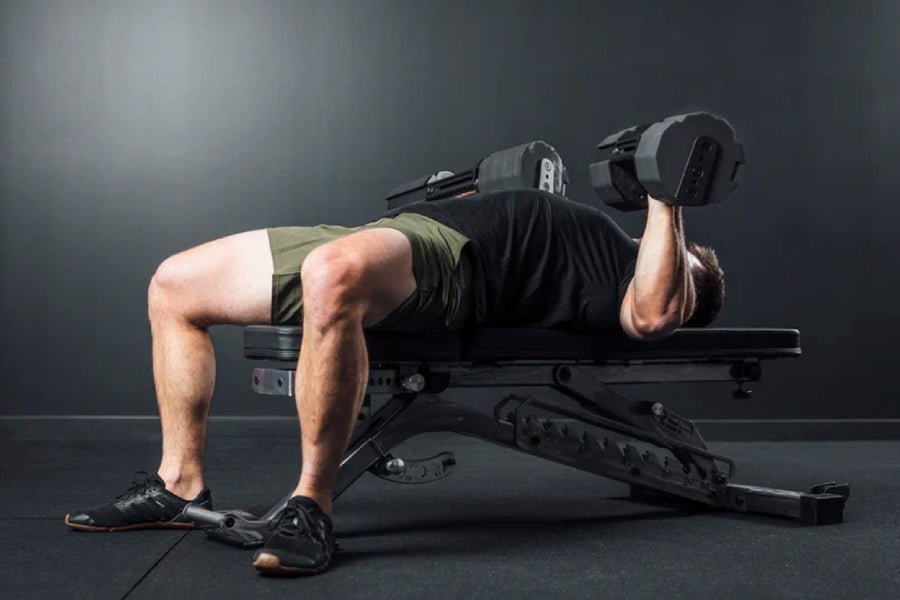
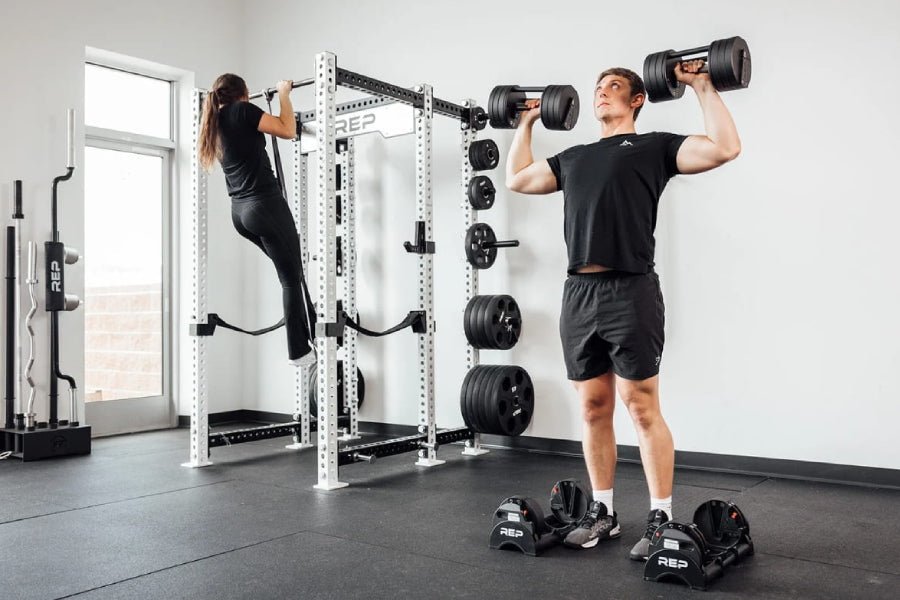
● Shoulder exercises with dumbbells: Light dumbbell work is a brilliant low-intensity option that builds strength without taxing the body. Simple movements like lateral raises, front raises, and overhead presses using light weights improve posture, reduce upper body tension, and get the blood flowing. Poor posture from sitting at a desk all day is a surprisingly common cause of fatigue, so incorporating shoulder exercises with dumbbells a few times a week can make a genuine difference.
● Yoga or stretching: A short 15 to 20 minute session, morning or evening, helps loosen tight muscles, calm the nervous system, and improve overall body awareness.
● Gentle cycling: Whether outdoors or on a stationary bike, a steady, unhurried cycle is excellent for cardiovascular health and energy management.
The beauty of these activities is that they are also a great entry point if you are achieving your fitness goals on a budget, since many require little to no equipment or gym membership.
Timing Matters More Than You Think
When you exercise can have just as much impact as what you do. Morning workouts tend to boost alertness and set a productive tone for the day. A short movement break in the early afternoon, around 2pm to 3pm when energy dips are most common, can help you power through the rest of the day without relying on caffeine. Evening movement should be kept especially light, as anything too intense close to bedtime can interfere with sleep quality.
Try experimenting with different times to find what feels best for your body and schedule. There is no universal right answer, only what works consistently for you.
Staying Consistent Without Burning Out
One of the biggest pitfalls people fall into is going too hard too soon. They sign up for intense classes, push through exhaustion, and then give up within a few weeks. Low-intensity exercise sidesteps this problem entirely. Because it is enjoyable rather than punishing, it is much easier to maintain.
A helpful approach is to "habit stack," which means attaching your workout to something you already do every day. Walk to the hawker centre instead of driving. Do a short stretching routine while the kettle boils. Take the stairs. These small decisions add up over time and build a genuine movement habit that feels natural rather than forced.
The Singapore Sports Institute emphasises the value of rest and recovery as part of any active lifestyle. Low-intensity workouts fit perfectly into this philosophy, allowing you to stay active on recovery days without compromising your body's ability to repair and recharge.
Listen to Your Body
Low intensity does not mean pushing through pain or discomfort. If something does not feel right, ease off. Fatigue that persists beyond a few days despite gentle exercise might be a sign to speak with a healthcare professional. The goal here is to feel better, not worse.
Start with just 20 to 30 minutes a day, three to four times a week. Notice how your energy, mood, and sleep quality shift over the following weeks. Most people are pleasantly surprised by how quickly they feel the difference.
Getting Started the Right Way
Building a consistent movement habit is one of the most powerful investments you can make in your long-term health and vitality. And you do not need to overcomplicate it.
If you are ready to take the next step, Gymsportz is a fantastic place to start. If you are looking for quality dumbbells, resistance bands, yoga mats, or other home and gym equipment to support your low-intensity routine, Gymsportz offers a wide range of fitness gear to suit every lifestyle and budget. Browse our collection online to find everything you need to move more, feel better, and keep your energy levels where they belong.