Skip to content



Walking Fitness: TikTok’s Viral 6-6-6 Routine Explained
GYMSPORTZ PTE LTD | 27 Feb 2026

Walking has quietly become the internet’s favourite way to get fit. Scroll through TikTok and you will probably come across creators talking about the 6-6-6 walking routine. It sounds dramatic, maybe even a little mysterious, but the idea behind it is surprisingly simple.
If you have been feeling overwhelmed by complicated gym splits, intense HIIT sessions, or expensive boutique classes, this trend might feel like a breath of fresh air. The 6-6-6 routine strips fitness back to basics. No fancy choreography. No intimidating equipment. Just walking, done with a bit of structure.
Here is what it really means, why it has gone viral, and whether it is worth trying.
What Is the 6-6-6 Walking Routine?
Despite the slightly ominous name, the 6-6-6 routine is straightforward:
● Walk for 60 minutes
● At either 6am or 6pm
● Include a 6-minute warm-up and a 6-minute cool-down
That is it.
Some variations suggest walking at a brisk pace. Others encourage adding incline if you are on a treadmill. But the core concept remains the same: commit to one focused hour of walking each day, anchored to a consistent time.
It has been labelled a Gen-Z workout trend, but the truth is that walking has always been one of the most accessible and effective forms of exercise. TikTok has simply repackaged it in a way that feels structured and shareable.
Why Has It Gone Viral?
Several reasons explain why the 6-6-6 routine has captured attention.
First, it feels doable. Many people struggle with all-or-nothing thinking when it comes to exercise. If they cannot manage a full gym session, they skip it entirely. Walking for an hour feels achievable, especially compared to intense interval training.
Second, it fits into real life. A 6am walk can become part of a morning routine before work or school. A 6pm walk can replace scrolling on the sofa. The fixed time gives it rhythm.
Third, it looks realistic on social media. Unlike heavily edited workout videos, walking content often shows people in everyday clothes, chatting about their day, or sharing thoughts. That relatability makes others feel, “I could do that too.”
What Are the Benefits?
Walking might look simple, but the benefits are far from basic.
1. Cardiovascular Health
Brisk walking raises your heart rate without putting excessive stress on your joints. Over time, this supports heart health, improves circulation, and can help lower blood pressure.
2. Fat Loss and Weight Management
An hour of walking can burn a significant number of calories, especially if done consistently. When paired with balanced eating, it can support gradual and sustainable fat loss.
Unlike extreme diets or punishing workouts, walking is easier to maintain long term. Consistency matters more than intensity for most people.
3. Lower Impact on Joints
Running and plyometric workouts can be tough on knees and ankles, particularly for beginners or those returning after a break. Walking offers a lower-impact alternative that still builds endurance.
4. Mental Health Boost
Many people who try the 6-6-6 routine talk about the mental clarity it brings. Walking outdoors, especially in the early morning or early evening, can reduce stress and improve mood.
That hour can also double as thinking time, podcast time, prayer time, or simply quiet time away from screens.
Do You Have to Walk Outdoors?
Not at all.
While outdoor walks offer fresh air and scenery, not everyone has the luxury of safe walking routes or good weather. This is where home equipment comes in.
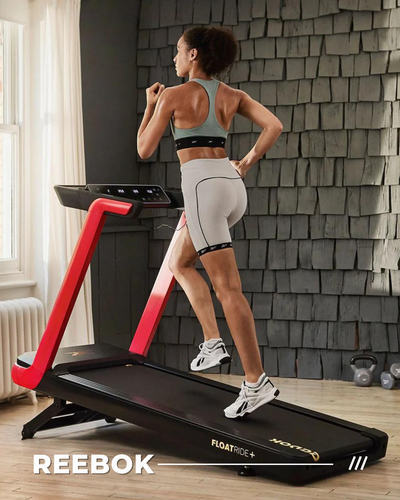
A compact treadmill can make the 6-6-6 routine far more practical. It allows you to walk before sunrise without worrying about safety, or in the evening without battling rain and humidity. For those living in smaller flats or shared spaces, a foldable or space-saving model can slot neatly into a corner.
Walking indoors also makes it easier to control pace and incline. You can gradually increase intensity without needing hills or long park connectors. It becomes less about convenience and more about removing excuses.
How Fast Should You Walk?
The goal is not a casual stroll. Aim for a brisk pace where:
● You can talk, but not sing comfortably
● Your heart rate is elevated
● You feel warm within 5 to 10 minutes
For most people, this falls between 5 to 6.5 km/h on a treadmill. If you are more advanced, adding incline can increase the challenge without needing to jog.
The 6-minute warm-up can start at a slower pace, gradually building speed. The 6-minute cool-down should bring your heart rate down gently.
Is One Hour Necessary?
An hour may sound like a lot if you are new to exercise.
The 6-6-6 format creates structure, but it is not a rulebook. If 60 minutes feels overwhelming, start with 30 or 40 minutes and build up. The real magic lies in consistency.
It is better to walk 40 minutes five days a week than attempt 60 minutes once and quit.
Who Is It Suitable For?
The beauty of walking is that almost anyone can do it.
● Beginners who feel intimidated by gyms
● Busy professionals who need predictable routines
● Parents who want low-stress movement
● Older adults looking for joint-friendly exercise
● People returning after injury (with medical clearance)
However, if you have underlying medical conditions, it is always wise to check with a healthcare professional before starting any new routine.
Can It Replace the Gym?
That depends on your goals.
If your aim is general health, improved stamina, weight management, and better mood, structured walking may be more than enough.
If you want to build significant muscle mass or strength, walking alone will not cover all bases. You may need to include resistance training two to three times a week.
That said, many people find that starting with walking builds confidence. Once movement becomes a daily habit, adding strength sessions feels less intimidating.
Tips to Make It Stick
Trying the 6-6-6 routine for a week is easy. Sticking to it for months takes intention.
Here are some practical tips:
Set Out Clothes the Night Before
Removing small barriers makes early walks more realistic.
Track Your Progress
Use a fitness watch or phone app to monitor distance and steps. Seeing progress builds motivation.
Pair It With Something Enjoyable
Save a favourite podcast or playlist for walking time only. This creates positive association.
Walk With a Friend
If 6pm works better, invite a friend or family member. Accountability helps.
Be Flexible, Not Rigid
Life happens. If you miss 6am, shift to later in the day. Consistency over perfection.
Why This Trend Actually Makes Sense
Many viral fitness trends fade because they are extreme or unrealistic. The 6-6-6 walking routine stands out because it encourages something simple and sustainable.
It reminds people that fitness does not have to be punishing to be effective. You do not need complicated machines or exhausting circuits to improve your health.
Walking may not look flashy on social media, but its long-term impact can be powerful.
Final Thoughts
The 6-6-6 routine is not magic. It is structured consistency wrapped in a catchy name. For many people, that structure is exactly what has been missing.
If you have been waiting for the “perfect” time to start exercising, this might be your sign to begin with something uncomplicated. A good pair of shoes, a safe walking route or home setup, and a clear hour in your schedule can go a long way.
Ready to make walking part of your daily routine? Explore quality treadmills and home fitness equipment at Gymsportz and take the first step towards a routine you can actually stick to.