Skip to content



Simple Steps to Improve Your Posture Through Exercise
GYMSPORTZ PTE LTD | 21 Nov 2025

Good posture creates a strong foundation for everyday movement. It supports your spine, reduces strain on your muscles and joints, and helps you move with confidence. Yet with long hours spent sitting at desks, looking down at phones, or standing for extended periods, many people develop habits that pull their bodies out of alignment. The good news is that improving posture is achievable with consistent, intentional exercise. You do not need fancy or complex routines to make real progress. With the right approach, small changes can transform the way your body feels and functions.
Below are simple, practical exercises and movement habits that anyone can incorporate into their routine. Whether you work out at home or at the gym, these steps can help you build strength, balance, and awareness for long-term posture improvement.
Strengthening Your Core
Your core is the centre of your posture. It stabilises your spine, supports your lower back, and enables you to maintain upright alignment in everyday activities. Many people imagine the core as the visible abdominal muscles, but it actually includes a deeper network of muscles surrounding the spine and pelvis.
To strengthen your core, start with basic exercises such as planks, dead bugs, and bird dogs. These movements train your muscles to support the spine without creating unnecessary tension. Planks help you build endurance in the abdominal wall, while dead bugs reinforce control and stability. Even ten minutes of focused core work a few times a week can make a noticeable difference over time.
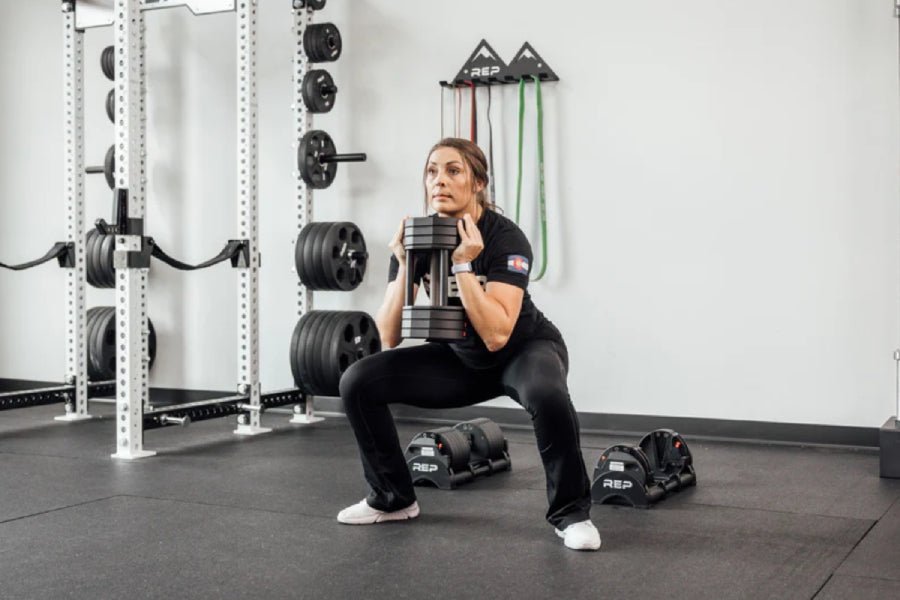
If you prefer equipment-based exercises, try adding light weights to your routine. A home workout with dumbbells can be highly effective for core stability, especially movements like dumbbell side bends or standing rotations. Just remember to start with manageable weights to maintain proper form.
Opening Tight Chest And Shoulder Muscles
Slouched shoulders and a forward head posture often come from tightness in the chest and the front of the shoulders. This tightness pulls the body forward, making it harder to sit or stand tall. To counter this, you need to stretch and open these areas regularly.
Chest stretches using a doorway or the corner of a wall are simple and effective. Hold each stretch for at least twenty to thirty seconds to allow the muscles to release. You can also add gentle shoulder mobility drills, such as arm circles or wall slides, to restore healthy movement. These small actions help reverse the effects of prolonged sitting and encourage a more open, upright posture.
If you are doing strength training, exercises like rows and rear delt flys help balance the muscles of the upper body. Strong back muscles support your shoulder blades and create space in the front of the chest, making it easier to target overlooked muscle groups that contribute to better posture.
Strengthening The Upper Back
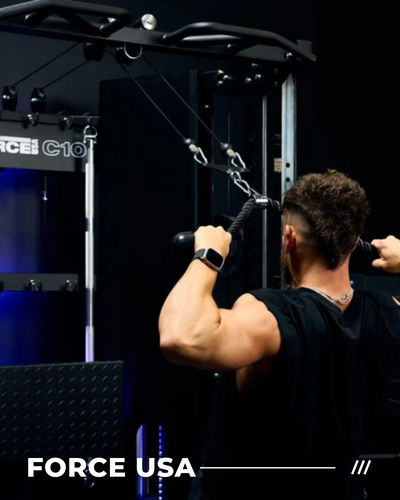
A strong upper back is essential for good posture. It helps keep your shoulder blades stable and prevents the rounding that is so common among people who spend a lot of time at computers. Simple resistance exercises like band pull-aparts, dumbbell rows, or seated cable rows are excellent choices for building this strength.
Aim for slow, controlled repetitions that emphasise the squeeze between your shoulder blades. This helps retrain the muscles to hold you upright, improving both posture and comfort throughout the day. Start with two or three sets of ten to fifteen repetitions and gradually increase as you become stronger.
Upper back strength also contributes to better breathing. When your shoulders are not rounded forward, your ribcage has more space to expand, allowing deeper, more efficient breaths.
Improving Hip Flexibility And Glute Strength
Your hips play an important role in spinal alignment. Sitting for long periods can shorten your hip flexors, which may tilt the pelvis forward and increase the curve in your lower back. This can lead to discomfort and misalignment over time.
To prevent this, stretch your hip flexors regularly. Lunging stretches, seated hip openers, and lying quad stretches all help lengthen these muscles. Aim to hold each stretch for thirty seconds and repeat on both sides.
Alongside stretching, strengthen your glutes to balance the pelvis. Exercises like glute bridges, step-ups, and hip thrusts support a more neutral spine and help you stand taller. Strong glutes also contribute to better walking mechanics, which further reinforces good posture.
Developing Body Awareness Through Movement
True posture improvement goes beyond isolated exercises. It also requires increased awareness of how your body moves and feels. Practising mindful movement helps you notice when your shoulders begin to round or when your lower back starts to arch.
Activities such as yoga, Pilates, or even simple daily stretching encourage greater body awareness. These practices help build a connection between your mind and muscles, allowing you to adjust your posture throughout the day without effort. Slow, controlled movements also strengthen stabilising muscles that support proper alignment.
You can bring this awareness into everyday tasks. For example, when standing, imagine lengthening through the spine and gently engaging your core. When sitting, keep your feet flat on the floor and avoid leaning heavily to one side. These small habits add up over time.
Incorporating Regular Movement Into Your Day
Posture does not improve overnight, and no single exercise can fix everything. The key is consistency. Rather than relying on one workout each day, incorporate small bursts of movement into your routine. Set reminders to stand up and stretch if you sit for long periods. Walk around during phone calls. Do a few shoulder rolls or a short chest stretch between tasks.
Even better, create a simple routine you can follow three to four times a week. Combine core work, back strengthening, hip mobility, and stretching for a balanced approach. You do not need to commit to long workout sessions. Even fifteen minutes of focused effort can lead to meaningful changes over time.
Choosing The Right Equipment For Better Posture
While bodyweight exercises are effective, adding simple equipment can enhance your results. Resistance bands, light dumbbells, and stability balls are all excellent tools for posture-focused training. They add variety to your routine and help target specific muscle groups more precisely.
If you enjoy strength training, adjustable dumbbells give you flexibility to progress gradually. Resistance bands are ideal for upper back strengthening and mobility exercises. A stability ball can help you work on core control and balance, which are essential for maintaining good posture.
When selecting equipment, choose high-quality, durable options that support your long-term fitness routine. Investing in the right tools helps you stay consistent and confident in your training.
Conclusion
Improving posture is a journey built on small, consistent steps. By strengthening your core, opening tight muscles, and developing awareness in your daily movements, you can support your body in a healthier, more aligned position. Whether you are stretching, building strength, or following a home workout video, your efforts will contribute to better balance, comfort, and confidence.